We at Msichana Imara Foundation have implemented a project called Mawimbi, with the aim of reducing period poverty in Tanzania. The project is designed to address the challenges faced by girls and women who lack access to menstrual products, safe and hygienic spaces, and the right to manage menstruation without shame or stigma.
Mawimbi is a Swahili word that means WAVE, and we use this metaphor to symbolize a wave of women and girls regaining their independence in matters related to sexual and reproductive health rights. The project is implemented in three main aspects:
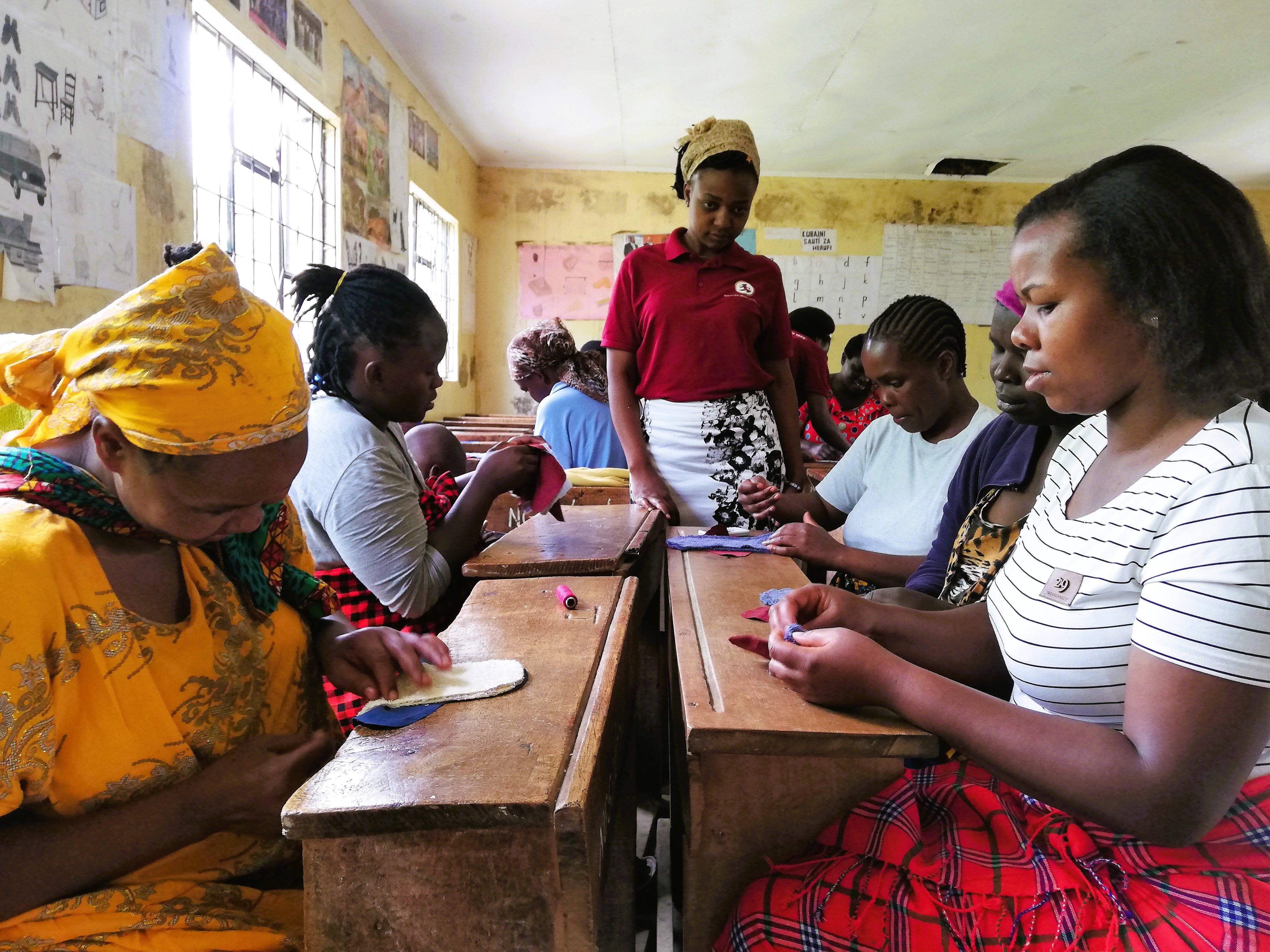
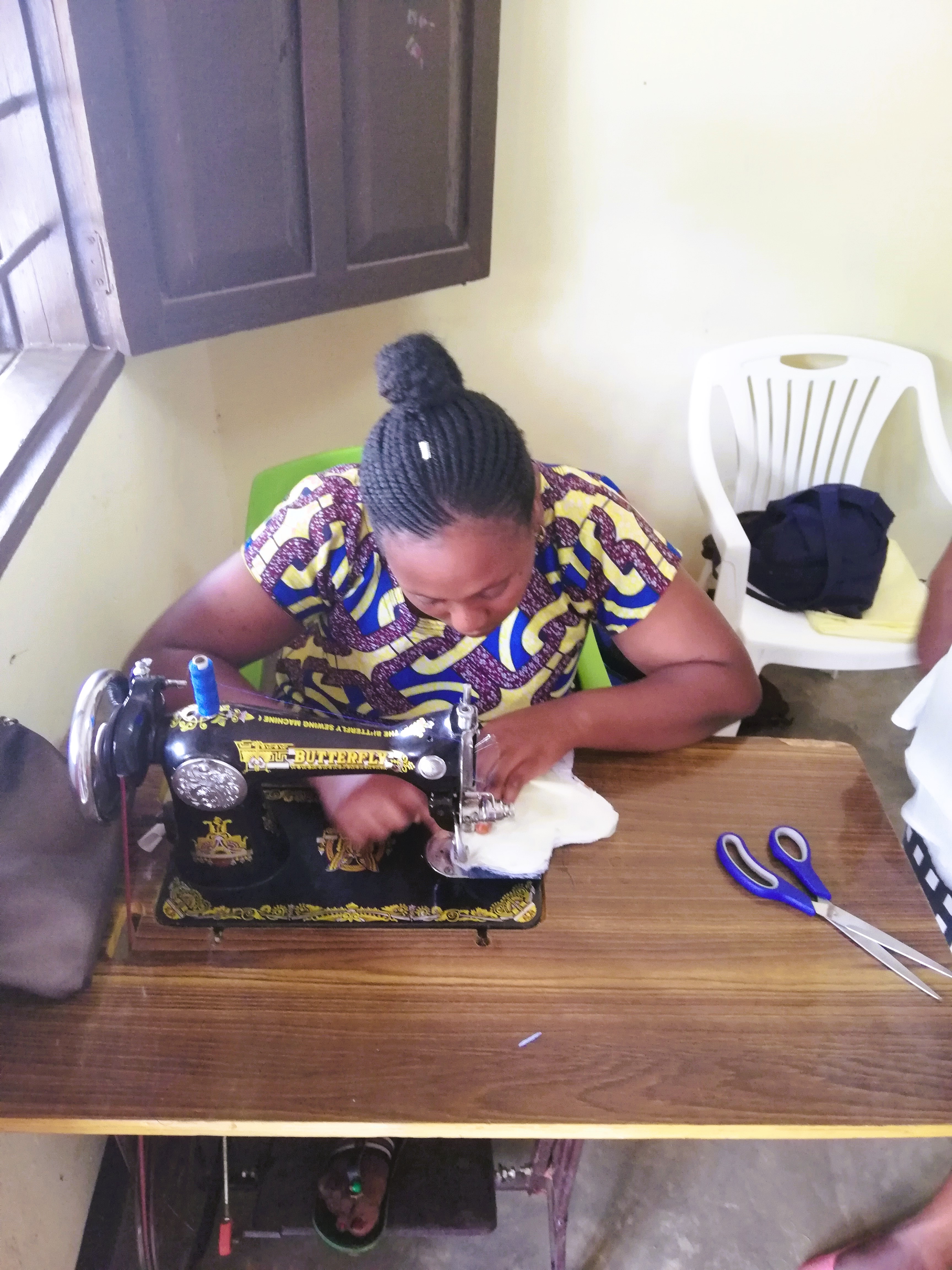
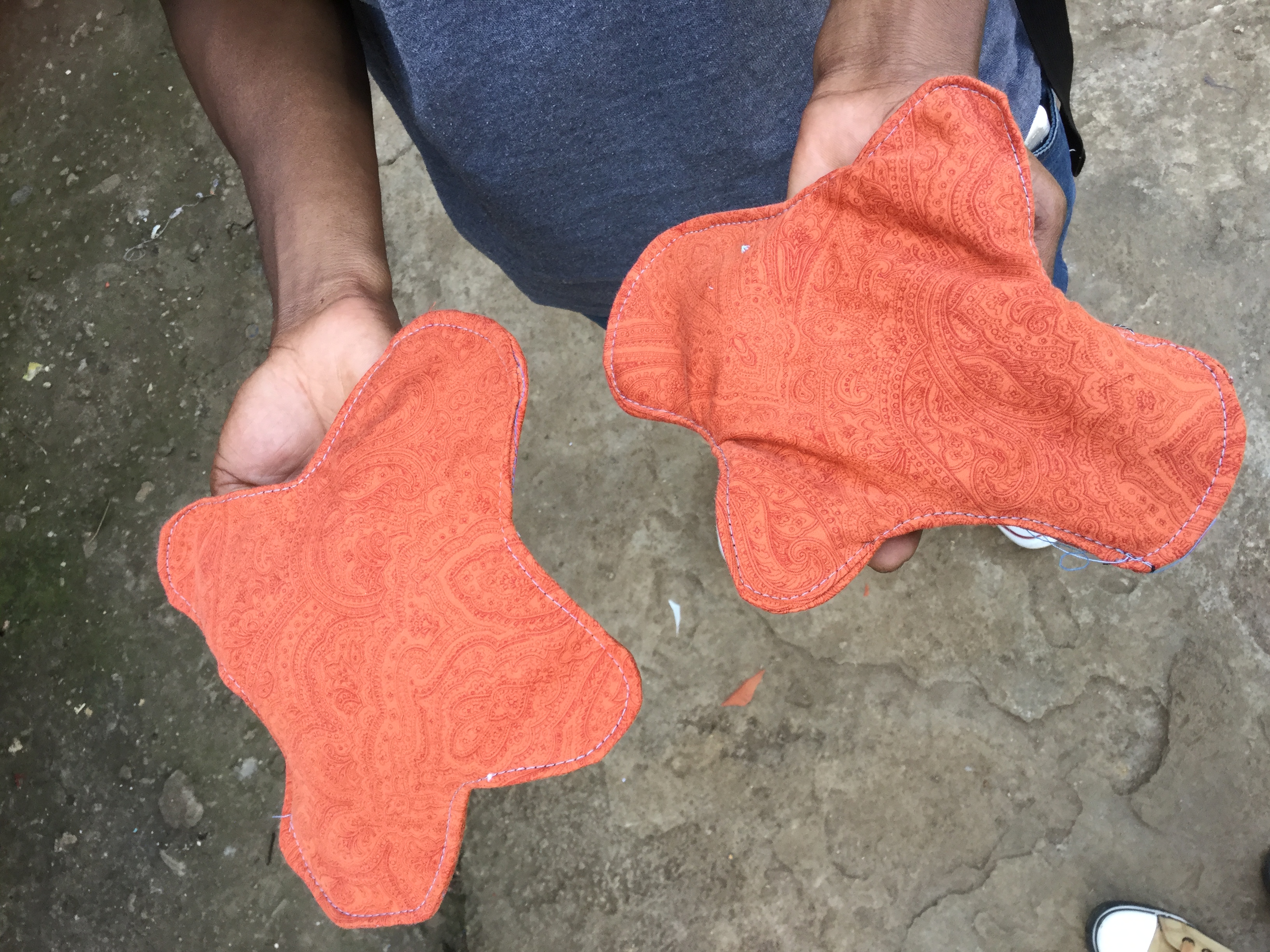
Firstly, we conduct workshops to train girls on how to make their own reusable sanitary pads using locally available materials such as cotton fabrics, waterproof materials, and towels. The lack of menstrual products has been one of the great challenges hindering girls in Tanzania, especially in rural areas, from accessing their right to education. Through our sessions, each girl is empowered to make up to six pads, which can be used for up to two years consecutively, thus reducing the financial burden of purchasing disposable pads. We have successfully reached more than 1500 girls in schools and outside of the school system and are committed to reaching even more girls, especially those in rural areas.
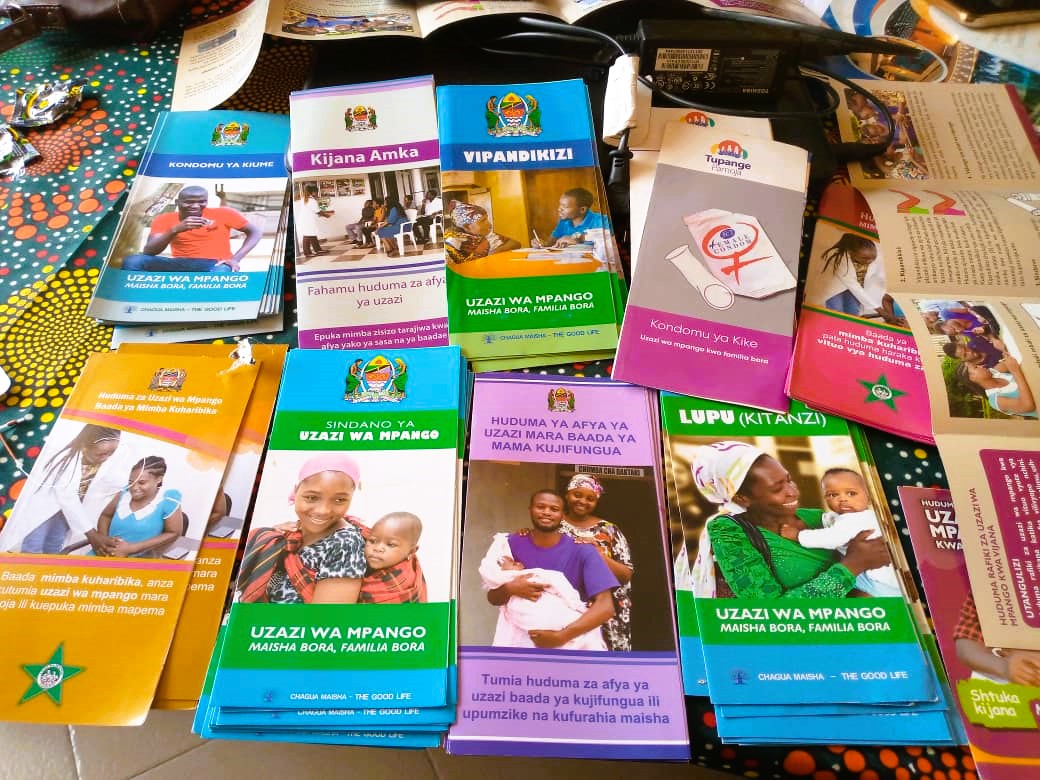
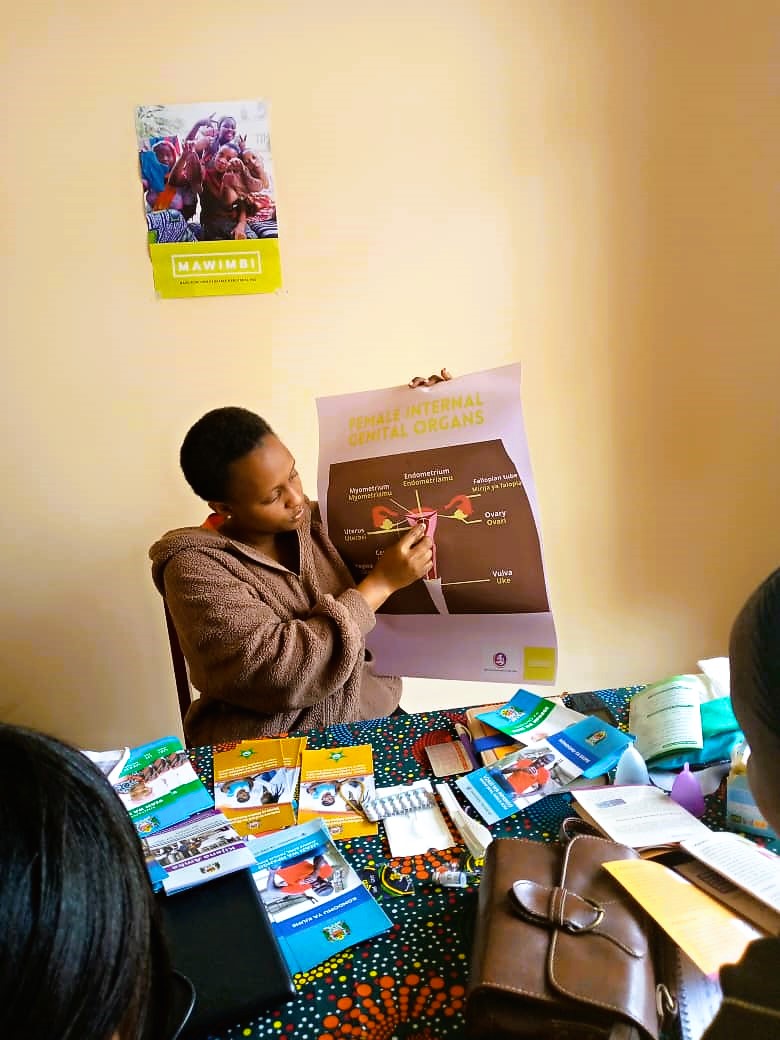
Secondly, we train girls and boys on sexual and reproductive health rights (SRHR). In Tanzania, topics related to SRHR, such as menstruation, reproduction, sexuality, and family planning, are barely discussed whether at home or in schools. This makes it difficult for both girls and boys to access the right information related to these topics, which can lead to early marriage, teenage pregnancies, and the risk of sexually transmitted diseases. Through creative and innovative teaching aids and methodologies such as games, painted posters, songs, and models, our program has helped most teenagers, especially girls, understand their sexual reproductive health rights and fight for them where necessary.
Lastly, we aim to create a local industry to make reusable sanitary pads that will be freely distributed to marginalized girls in rural areas and those living with disabilities. Currently, we have registered our pads to the government authorities and have two sewing machines that make pads distributed freely to girls living with disabilities and those in rural areas. Our vision for this project is to have at least 15 sewing machines and employ at least 15 girls from marginalized areas, who can provide up to 3,000 pads per month, which can be distributed to 600 girls each month. This local industry will not only provide employment opportunities for girls who failed to continue with their studies due to gender-based violence but also ensure the availability of sanitary pads to girls in need.
Through the Mawimbi project, Msichana Imara Foundation is making a significant impact in reducing period poverty in Tanzania, and we are committed to reaching even more girls and women to provide them with the resources, knowledge, and support they need to manage menstruation with dignity and independence.
To learn more about the project please visit www.mawimbitour.org
Imarika is a Swahili word meaning "be strong." It is a project aimed at addressing the barriers faced by girls in Tanzania in accessing education and acquiring technological knowledge and skills. Poverty, cultural norms, poor learning infrastructure, violence, and fragility often prevent girls from completing their education, leaving them without the necessary skills to compete in the labor market or adapt to a rapidly changing world. Furthermore, there is a significant gap between girls and boys in acquiring digital skills, which leaves many girls behind.
The Imarika project seeks to address these challenges by providing girls who are not in the formal education system with entrepreneurship and digital skills. The project is implemented in three main stages:
1.Self-awareness: In this phase, recruited girls are trained in important skills to help them understand their worth and value in their societies. The topics covered include life skills, writing and reading skills, self-awareness, and sexual reproductive education.
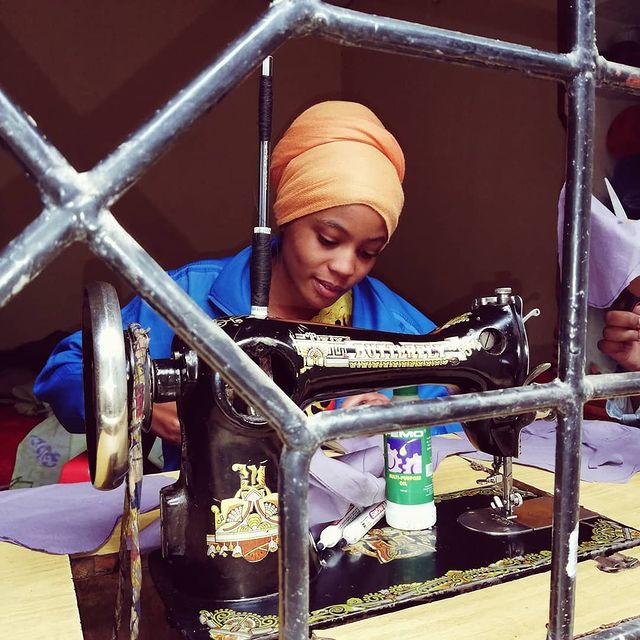
2.Entrepreneurship training: To help the girls become self-independent, the second phase of the Imarika project exposes them to entrepreneurship opportunities of their choice in the fields of cosmetics and hairdressing, baking, decoration, and sewing.
3.Digital training: The third phase of the Imarika project trains girls in digital skills to bridge the gap between girls and boys in acquiring technological knowledge. This training helps the girls use technology to advance their businesses and contribute to the overall development of their communities.
The Imarika project has a significant impact on the lives of girls in Tanzania by providing them with the necessary skills to navigate and succeed in a rapidly changing world. By addressing the challenges that prevent girls from completing their education, the project empowers girls to become self-independent, contributing members of society. Additionally, the project helps bridge the gender gap in acquiring technological knowledge, ensuring that girls are not left behind in the rapidly evolving digital world.
© 2023 Msichana Imara Foundation | Created by Alice-K